The history of openEHR: before the revolution.

Sam Heard, Medical Practitioner, Chair of the openEHR Foundation

I am an Australian doctor who completed my medical degree and intern year in Adelaide, South Australia, before heading off to London on a motor bike through South East Asia and India with my girlfriend, who is now my wife. I was keen to be a good general practitioner (GP) and successfully applied for a three-year GP training position, based at St Bartholomew’s Hospital in Central London.

Early Days

My interest in health computing began in 1984. I had completed my GP training and became an Inner City Lecturer at the Department of General Practice, St Bartholomew’s Hospital Medical College, London University. The department had the first computerised general practice in the UK; a large machine in its own airconditioned room in the Wells Street practice in Hackney. My role as lecturer was both clinical and academic. I became the partner of an elderly solo practitioner in order to modernise the practice. It was in a tiny space in Shoreditch, providing comprehensive health care to 3500 patients  24/7 and, initially, had no receptionist. I saw 85 patients on the first day when my older partner became jaundiced and went home – never to return. The university wanted me to implement their second version computing system using concurrent CPM and I agreed. I wanted anything that might help the workload and organisation of care for this large group of patients.

The computer programmer from the Dept of General Practice sadly developed a brain tumour and had to stop working, leaving an incomprehensible program which did not work. This experience sowed a seed and I was really excited to help develop and use computers for primary care. He was using Q-Basic which I decided was too difficult for me to get my head around given my clinical responsibilities. In 1985 my father sent me his IBM Personal Computer (PC) from Australia as he had retired. I added a 10 MB hard drive! Borland had just published Paradox, and Tony Randall in Oxford encouraged me – he was using D-Base. These were the first PC-based databases with multiuser capability. No Windows, just MS-DOS  from Bill Gates. PC networks were just becoming stable. I used Paradox to create a patient management and follow up system; it was all a whole lot easier than using Q-Basic. Over 18 months I had things moving and surpassed the functionality of the original program.

I established a GP IT cooperative with the support of the Family Practice Committee (NHS payers) in 1987. Normalising addresses (autofill from a defined set) – now common – had not been done before and it had wonderful results, allowing us to achieve the highest immunisation and cervical screening rates in London in a very low socio-economic setting. About 80 GPs from East London joined the Coop and together we improved the care of the patients substantially.

More than Rows and Columns: GEHR

Very early in my days of building this simple system (usually done at home after our four children had gone to bed and as long as there were no house calls) I decided that files consisting of rows and columns were not suitable for health records (think Excel which did not exist at the time). MUMPS had been created by Octo Barnett in the 1960s and brought together the related rows and columns (a real speed advantage) whereas Paradox, the modern alternative, had all the data relating to one patient separated in many different tables. To add any new data, I had to change the database, often needing to add tables. This was hard to manage across many practices. There had to be a better way.

Alain Maskens from Belgium came to see me in 1989 promoting his software, HealthOne. This was a real breakthrough from my perspective. Gone were the rows and columns, and the data to be collected could be specified through the user interface! Alain was ambitious for his software and had built a consortium to make a bid for a large European health record project. He invited me to Brussels to see what could be put together. I had met Professor David Ingram, the first professor of health informatics in the UK, at my University and I was advised by Lesley Southgate, my then professor of General Practice, to go and see him. I invited David to come to Brussels – he agreed but was very clear he would not be getting involved. By the end of the meeting David was the leader of the project and put in a huge effort with Alain to successfully stand up what became known as the Good European Health Record (GEHR) project. In 1991 the GEHR project grant was the largest that St Bartholomew’s Medical College had ever received.

Joe Milan, a close associate and friend of David Ingram, joined the project. He was leading the UK health computing stakes with his MUMPS based system at the Royal Marsden Hospital and added weight to what was a colourful and diverse group of people from many European countries. I learned a great deal during the three years of this project despite having to relocate with my family to Australia in late 1992 and spending the last two years of the project flying back to London from Darwin.

Dipak Kalra (a GP using ParaDoc) and David Lloyd, prominent members of David Ingram’s team at the time, took major roles in the project. It was during this time that I met Thomas Beale, an Australian computer scientist and engineer, who was employed by Joe Milan and was seconded to the GEHR project. Thomas and I spent many evenings proposing ever more revolutionary solutions to what was now recognised as a ‘wicked problem’ but made little progress. There were very significant outcomes from the GEHR project, which contributed to what would later become openEHR. The first was to view the health record as a transactional artefact, enabling clear data provenance and roll-back to any point in time. The second was that it should work best for practicing clinicians. The final GEHR output was not suitable for implementation but was in the form of a technology independent specification, rather than software; a novel approach in the early 1990s.

The Birth of openEHR in Australia

Thomas Beale came back to Australia after the GEHR project finished in 1994 and dedicated one day per week to continue working with me on what we had come to see as a lifelong health record specification, with multilingual capabilities. I was working in the remote Northern Territory and leading the general practice educational unit of the new clinical school. This gave me time to collaborate with vendors and interested practitioners and I soon gained a reputation for innovation in this area.

I was asked to write a paper on a future view of health records for Australia by the new Government agency (which became NEHTA), giving me more time to dig into detail. Thomas was working in finance at the cutting edge of object-oriented programming with a language called Eiffel. Together we refined the structure and organisation of a lifelong health record, with some aspects to assist human navigation and organisation, others to enable safe automatic processing. But we could not solve the issue of the evolving clinical demand for new or extended data.

Working closely with Thomas, we learnt each other’s domains of knowledge to a considerable extent. Thomas was often assumed to be a clinician in meetings. After nearly 3 years of working together, including many, many hours on the phone and some high-level workshops in Darwin, Thomas and I decided in 1997 to spend two weeks dedicated to solving the problem of how to specify the clinical data. We agreed that if we failed we would give up. It had begun to feel a little futile working so far from other expert input. The fortnight was not very productive and at lunch on the last day – with just a few hours left – Thomas threw up his hands and said in frustration, “This would be easy if we just left out the clinical data.” We look at each other and thought about how we could do that. Within two hours we had the gist of openEHR down – with archetypes as the enabler. The EHR as a service was just a set of building blocks – datatypes, ways of aggregating, headings etc – some to assist safe processing and some to assist people using the record to understand the contents. The archetypes were the specification of how to represent clinical data using these building blocks. There were more features that quickly fell into place as we got into our stride over the next few months – safe display of any entries, roll back to a point in time, linking to multiple terminologies, a wealth of datatypes.
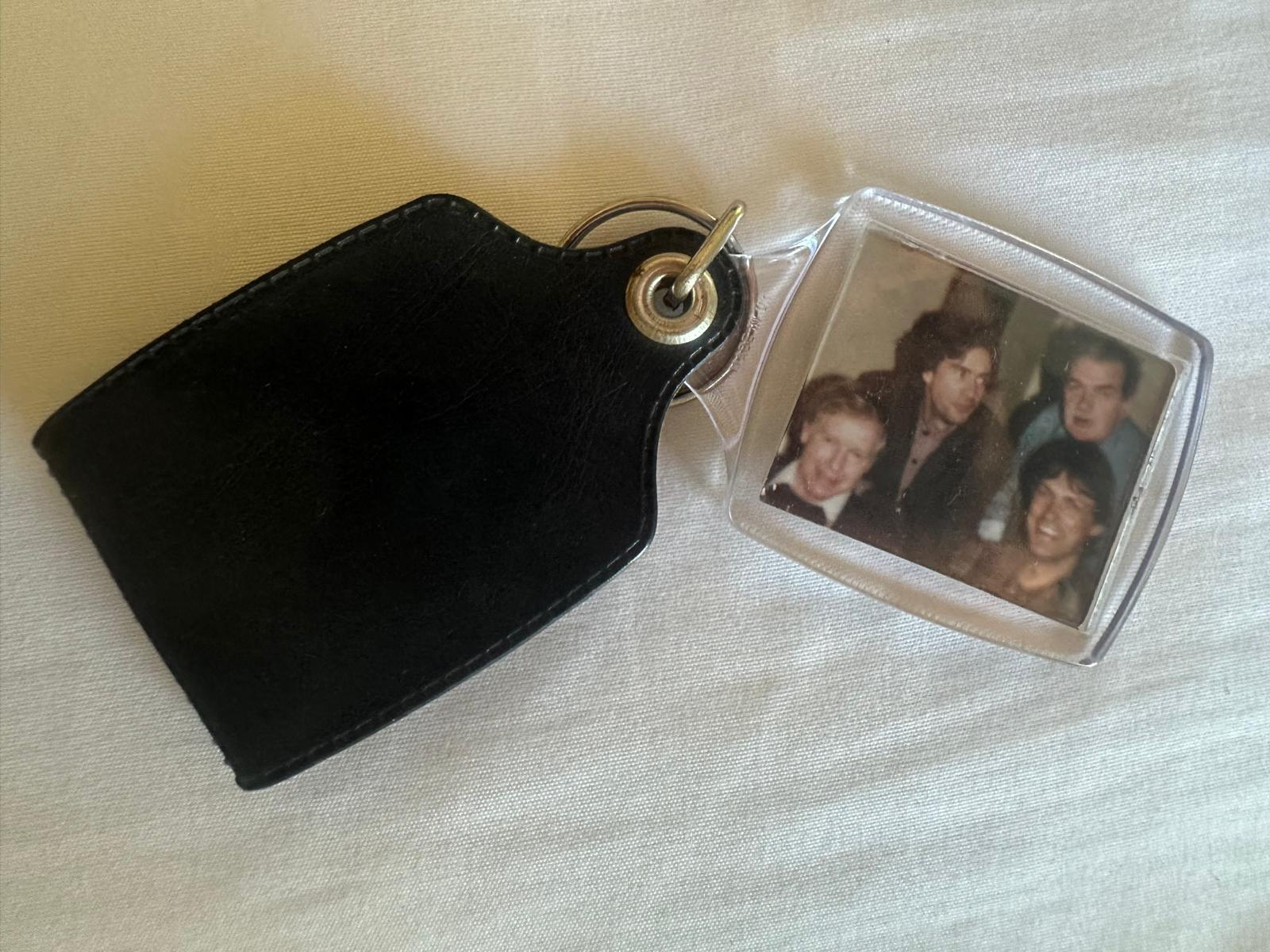
1998 Key ring from a Spanish Restaurant in Sydney the day Thomas and I created Ocean Informatics with David Rowed and Peter Schloefel after their IBM consultancy came across our work.

Thomas took on the enormous work of creating archetype definition language (ADL) – which was the first part of openEHR to be accepted by ISO about a decade lager. He ensured correctness of these archetype definitions and documented the reference model in great detail. The reference model is a logical model of what the computers process – in whatever language and using whatever data store is fashionable at the time. Refining this specification was slow, despite the increasing assistance from others, particularly David Ingram’s team now at University College London (UCL).

By 1999 I had completed programming the first archetype editor which enabled display of the archetypes – a giant leap to gaining acceptance and led to invitations to HL7 and CEN meetings. In 2006 Hugh Leslie and I built the template designer. I also built the first openEHR kernel to write and read data, with validation based on archetypes. I am proud to have contributed as a clinician to something that is designed to change health care fundamentally.
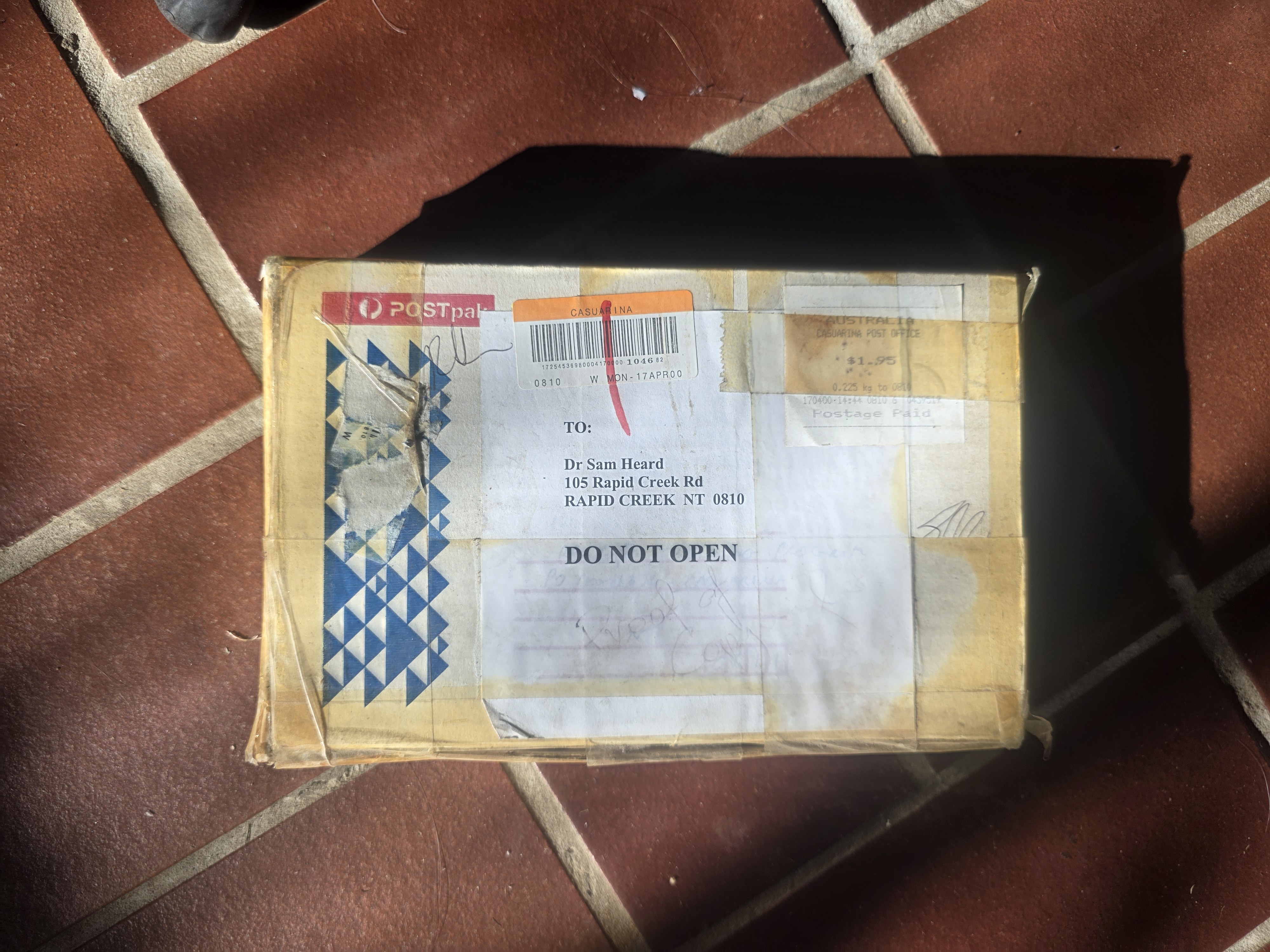
A CD-ROM posted by Thomas to me on the 27.04.2000 to ensure Ocean could prove to be the source of the (as yet unnamed) openEHR specifications – it remains unopened!

The Foundation and Beyond

In 2005 Sebastian Garde was living in Australia and doing a PhD with Evelyn Hovenga and he took on the web-based archetype management which became the Clinical Knowledge manager. He now lives back in Germany and his contribution has been extraordinary. Chunlan Ma completed her PhD on openEHR and by 2007 had created the OPT format as well as the Archetype Query Language. This revolutionised the power of openEHR as a solution for health information. Heather Leslie and Ian McNicoll (who had completed his Masters at UCL) began building more and more archetypes and have both made enormous contributions. In 2010 Heath Frankel and Chunlan Ma built the first openEHR system to manage the health records of remote, mobile Aboriginal people in  the Northern Territory. This openEHR project received recognition from the WHO. Heath Frankel went on to assist Better to get working with openEHR. Tomaz Gornik, the CEO of Better, has been an extraordinary commercial enabler and promoter of openEHR, and taken Better to be a recognised major international health system provider. He and his team have taken tooling to a new level.

David Ingram supported and encouraged our work and kept supporting Thomas and I during our very frequent trips to Europe and the US where HL7 was involving us in the CDA work but not interested in our approach. In 2005 we deemed it appropriate to publish the specification, David Ingram came up with the name and reserved the openEHR.org URL. University College London supported David in creating the openEHR Foundation which became the home of the specification. He organised the legal framework and other steps to enable the legal transfer from Ocean Informatics and ensure openEHR could move forward safely. That was all more than 15 years ago.

We have weathered incredulity over not specifying the storage format and about the maximal data models. These are now seen as key elements of a specification for a lifelong health record. We faced down Microsoft, Google and Apple’s efforts to create a personal health record. That was nerve wracking to say the least. And all the while David Ingram kept his hand on the helm and made the community something strong and resilient, long before it had any need to be. I am excited to see the new minds and new companies taking openEHR forward. There are still many familiar faces, individuals and teams, particularly in Europe, who have remained committed and passionate for many  years and have contributed considerably over that time.

Importantly, openEHR grew from a very deep collaboration between a computer scientist/engineer and a doctor – at a time when these professions were starting to have mutual concerns. Thomas still works as an engineer and computer scientist in the USA and Europe, and I have until recently been the medical director of a large Indigenous community controlled health service in Australia.

Finally my wife, Merridy Pitcher, has had a lot to do with the success of openEHR – from supporting all my activities, coaching on how to approach difficulties, co-writing documents, managing Ocean Informatics which was our early vehicle for supporting the work and never giving up on the vision of a lifelong health record that could make a difference.

Appendix

My CV Entries relating to openEHR

Appointments

1983-1992        Lecturer, Department of General Practice, Medical College of St. Bartholomew’s Hospital.

1984-1992        Principal in General Practice, The Lawson Practice, St. Leonards, Nuttall St., London N1 5LZ.

1989-1992        Adviser to the City & East London Family Health Authority on computerisation.

1989-1992        Director, Computer Development Unit, Department of General Practice, St. Bartholomew’s Medical College.

1992                 Clinical co-ordinator, European Health Record Project, AIM A2014, European Commission.

1993-1995        Research Fellow, St. Bartholomew’s Medical College, London.

1994-1997        Member of Wellcome Trust Tropical Medicine Resource, World Advisory Group

1996-                Director, Ocean Informatics

1997-1999        Program leader, Communications and Information, Cooperative Research Centre in Aboriginal and Tropical Health.

1998-1999        Member, Electronic Health Record Architecture Working Party, GPCG

1998-                Foundation member, openEHR Foundation

2002-2006        Chair, Standards Australia IT14.9.2 Working Group – EHR

  • Co-Chair, HL7 EHR Special Interest Group and Australian delegate to HL7 International
  • Australian delegate to Centre de European Normalisation (CEN)

2002-2005        Co-Chair HL7 EHR Technical Committee, Aus delegate to HL7

2002-                Director, openEHR Foundation (Ocean Informatics and University College London)

2002-2016        Honorary Senior Research Fellow, University College London

2004-2007        Adjunct Professor, Health Informatics, Central Queensland University, Queensland Australia.

2005-2008        Australian representative at CEN (European Standards)

2005-2007        Vice President, Foundation Fellow, Australian College of Health Informatics, now Australian Institute of Digital Health

2006-2010        Co-chair Standards Aus IT-14-9, Electronic Health Records

2007-2014        CEO, Ocean Informatics Pty Ltd

2011-2014        Chair, openEHR Foundation, London  UK

2019-2023        Director, Australian Digital Health Agency

2023-                Chair, openEHR Foundation

Research grants and competitive allocations

1990                 Computer Development, Family Health Authority £60,000, St Bartholomew’s Medical College

1991-1993        Medical Record structure, European Community £1.9 million, with Prof. David Ingram, Medical Informatics 1993 Healthy Heart Story, National Heart Foundation

2000                 The General Practice Computing Group (GPCG) Trial of the Good Electronic Health Record $230,000

2001                 GPCG Trial of conversion of legacy data with SA Health Commission, DSTC $100,000

2001                 GPCG Trial of Diabetic messaging between General Practice and Specialist Clinics with MCA, $70,000

2002                 GPCG Trail of conversion of GP data to the format of the Good Electronic Health Record $90,000

2002                 HealthConnect openEHR software trial design with the Distributed Systems Technology Centre $670,000 Phase 1

2004                 GPCG openEHR Archetype Tool Development Project developing software tools and documentation to support the uptake of archetypes. $70,000

2004                 ITOL grant to establish an EHR repository for the New South Wales Cancer Registry.  $30,000

2005                 GPCG Archetypes for Communication project. $105,000

Publications and Significant Products

1989                 Heard S.”ParaDoc, A health information system for inner city general practitioners”. This system was written in Paradox, a relational database. Innovations centred on the normalisation of practice data to the Post Office address database allowing strict knowledge of households. Tracing people for follow up or screening was greatly facilitated.

1991                 Heard S. “A standard medical record for Europe – a view from primary care” Abstract of presentation. 40th workshop in Clinical Decision systems, Royal College of Physicians, London.

1992                 Heard S. “The Good European Health Record” Abstract of Presentation. WONCA, Vancouver, Canada.

1992                 Heard S. “Clinical Requirements for a comprehensive Electronic Health Record.” Advanced Informatics in Medicine programme, Directorate General XIII, European Commission.

1993                 “Functional Specification for an Electronic Health Record”. Advanced Informatics in Medicine programme, Directorate General XIII, European Commission.

1993                 “Ethical and legal requirements for a European Electronic Health Record”. Advanced Informatics in Medicine programme, Directorate General XIII, European Commission. Heard S, Doyle L.

1995                 “The Good European Health Record” Final Report. Advanced Informatics in Medicine programme, Directorate General XIII, European Commission.

1996                 Heard S. “Support for remote health practitioners with Information Technology” Proceedings of the Joint Congress of the Australian College of Health Service Executives and the Royal Australian College of Medical Administrators, Darwin August 1996.

1997                 Heard S, Doyal L. “The importance of moral and legal regulation of the Electronic Patient Record.” British Journal of Healthcare Computing and Information Management. March 1997;14(2):26-28

1998                 Heard S. “The Good Electronic Health Record” Proceedings of the 1998 General Practice Evaluation Program Conference, Sydney, New South Wales. National Information Service.

1999                 Heard S. “The Good Electronic Health Record” Proceedings of the 1999 HISA Conference (HIC), Hobart, Tasmania. Health Informatics Society of Australia.

2000                 Heard S. “The Good Electronic Health Record.” British Journal of Health Care Computing and Information Management. February 2000.

2000                 Heard S, Grivel A, Schloeffel P, Doust J. “The benefits and difficulties of introducing a national approach to electronic health records in Australia” in “A Health Information Network for Australia” National Electronic Health Records Taskforce. Department of Health and Aged Care, Commonwealth of Australia. July 2000.

2000                 Heard S. “The GPCG Trial of the Good Electronic Health Record” Proceedings of the Health Informatics Conference, Health Informatics Society of Australia. August 2000.

2000                 Heard S. “Electronic Health Records”, The Australian Health Forum 2000;3:24-25.

2002                 Bird L, Goodchild A, Heard S. “Importing clinical data into electronic health records – lessons learnt from the first Australian GEHR trials.” Proceedings of the 2002 HISA Conference, Melbourne, Victoria. Health Informatics Society of Australia.

2003                 Heard S, Bird L, Warren J. “Editorial” and Guest Editors. Journal of Research and Practice in Information Technology Vol 35, 2. May 2003.

2003                 Barretto S, Warren J, Goodchild A, Bird L, Heard S, Stumptner M. “Linking Guidelines to Electronic Health Record Design for Improved Chronic Disease Management” Proceedings American Medical Informatics Association, November 2003.

2004                 Heard S, Fischetti L, Dickinson G. “HL7 EHR Systems Functional Model and Standard” Health Level Seven, http://www.hl7.org.

2005                 Heard S. openEHR Architype Editor 1.0 (Visual Basic), Ocean Informatics.

2005                 Hovenga E, Garde S, Heard S. “Nursing constraint models for electronic health records: a vision for domain knowledge governance”. Int J Med Inf 2005;74: 886-898.

2006                 Heard S. “Electronic Health Records” Chapter in Conrick M Ed. “Health Informatics: transforming healthcare with technology” Thompson Social Science Press, Australia 2006.

2006                 Heard S, Leslie Hugh. openEHR Template Designer (C#) Ocean Informatics.

2006                 Schuler T, Garde S, Heard S, Beale T. “Towards Automatically Generating Graphical User Interfaces from openEHR Archetypes” Proceedings MIE, Maastricht August 2006.

2007                 Garde S, Hovenga E, Heard S. “Towards Semantic Interoperability for Electronic Health Records: Domain Knowledge Governance for openEHR Archetypes”. Methods of Information in Medicine. 46(3): 332–343.

2007                 Garde S, Heard S, Leslie Heather, McNicol I. The openEHR Clinical Knowledge Manager, Ocean Informatics.

2011                 Frankel H, Ma C, Heard S. The Northern Territory of Australia “My eHealth Record” shared health record based on openEHR specifications, Ocean Informatics.

Presentations

1995                 Heard S. “Issues of ownership”- Data ownership and computerised health information. Central Australian Remote Practitioners Association Conference, Alice Springs, May 1995 .

1996                 Heard S. “The paperless medical record” IT Week, Queen Elizabeth Hospital, Adelaide, South Australia

1997                 Heard S. “The History of Computers in Medicine.” Fifth Biennial Conference of the Australian Society of the History of Medicine. Darwin, Northern Territory.

1998                 Workshop at “Working together for an Electronic Patient Record”, the National Meeting Health Informatics Society of Australia, Brisbane.

1998                 Heard S. “What sort of Electronic Health Record” Presentation at the National Scientific Meeting of the Royal Australian College of General Practitioners, Melbourne.

2000                 Heard S. “The Good Electronic Health Record” RACGP Computer Conference, Sydney, February 2000.

2001                 Heard S. “The Good Electronic Health Record” At Integrating Technology in Health Conference, Sheraton Towers Hotel, Melbourne, February 2001. Invited speaker.

2001                 Heard, S. “Electronic Health Records” Conference of the National Demonstrator Hospital Projects Phase 3, Sydney Convention Centre, October 2001. Invited Speaker

2001                 Heard, S. “Information Technology – Master or Slave”. Royal Australian College of General Practitioners 11th Computing Conference, Melbourne August 2001. Keynote Speaker.

2002                 Heard, S. “The EHR and the future: a clinician’s view.” EHR Clinical Aspects and Standards Workshop, Central Queensland University, Yepoon, August 2002. Invited Speaker.

2002                 Heard, S. “The EHR and HL7.” HL7 International Affiliates meeting, Melbourne August        Invited speaker.

2003                 Heard, S. “openEHR and International Developments” The Electronic Health Record, IIR Conferences, Sydney Australia, June 2003. Invited Speaker.

2003                 Heard S, Beale T, Schloeffel P. “openEHR Tutorial” Proceedings, of the 2003 HISA Conference and RACGP Computing conference (HIC) Sydney Australia, August 2003.

2004                 Heard S. “Archetypes – a user perspective” Keynote address at HL7 Australia National Meeting, Melbourne, Australia 2004.

2004                 Heard S, Elkin P. “The relationship between archetypes, templates and terminology”. HL7 Australia National Meeting, Melbourne, Australia 2004.

2005                 Heard S, Shabo A. “Lifelong health records: an investigation of the role of independent health record banks” HIC, Melbourne 2005

2005                 Heard S. “openEHR – recent developments.” Keynote address, HL7 Australia National Meeting, Sydney November 2005.

2006                 Heard S, Chen R “openEHR, a health computing platform for the future”. Workshop and address to the China Healthcare Information Network Conference (CHIMA, CHITA) Xi’an, China May 2006

2006                 Heard S “openEHR: the first formal specification for sharing and communicating electronic health records”. Key note address, HINZ Conference, Auckland, New Zealand, July 2006

2006                 Heard S, Beale T. “openEHR, a health computing platform for the future”. Workshop, Medical Informatics Europe Conference, Maastricht, Netherlands, August 2006.

2006                 Heard S. “Standards and Electronic Health Records” The World of Health IT Conference, Geneva, Switzerland, October 2006.

2006                 Heard S. “openEHR and semantic interoperability” Health Informatics Conference, Antalya, Turkey, November 2006

You touch me

I was walking down the corridor in a clinic and a middle-aged Aboriginal man called out to me from a colleague’s room, “Hey Doc, I want to see you!” I explained that the very proficient and careful younger doctor that was attending to him was as good as me. He said, “I know, but you touch me.” It was not something I had been told before, and I contemplated a range of interpretations: did I connect to him emotionally; was I more intimate; or did I examine him, perhaps more thoroughly?

There is a wealth of literature on this subject perhaps best summarised in a TED talk by Dr Abraham Verghese “A doctor’s touch“. Every family has stories that demonstrate this fundamentally important aspect of medical care and there are popular medical aphorisms such as “if you don’t put your finger in it, you’ll put your foot in it”. Health practitioners know it is important, but….

There are a number of forces rising against medical examination that offer relief to the uncomfortable doctor or nurse and their patient, both concerned about social boundaries that may be crossed, or the possible experience of emotional or physical discomfort. First is the rise of ‘tests’ which provide detailed internal images which can be wholly reassuring if normal or biochemical measurements are incompatible with disease, thus avoiding the need to see and feel what might be going on. Second, the increase in a general ‘hypochondriasis’ which involves less than perfect wellness, where examination is redundant as only esoteric genetic, enzyme or protein tests will reveal the minor malady and enable (largely) dietary adjustments. How ‘nice’ to be at a comfortable distance and really get to the core issue while avoiding any embarrassment. It is a dangerous collusion.

One person I saw recently really brought to light this issue. A middle-aged man with right sided chest pain had been seen on a number of occasions in various settings over a period of more than a year. His records and the way he presented with yet further pain, despite two normal CT scans done over a year apart (the second one a few weeks ago), suggested that he was seeking pain medication, perhaps even for illicit use. I checked his story, and his tests. “Well,” I thought, “I owe it to him to examine him carefully if I am going to deny him pain relief”.

Sitting one to two meters away, I asked him to take his shirt off. There in the middle of the right side of his chest was a large lump – perhaps 10cm in diameter. I did not need a CT or any other test to know this was grossly abnormal. I am not an expert at reading CT Scans but I looked up the films. There it was, very obvious to the novice radiologist, and yet the CT Scan was reported as normal! How could that be? I rang the radiologist, who concurred – and then checking the previous CT scan revealed that it was present, although smaller, over a year before. No excuses. Both scans were reported as normal. Here I was, looking from a distance of a little over a meter (with my glasses on admittedly) and detecting something that was not picked up on two expensive scans and perhaps as many as 6 attendances for nursing and medical assessment.

Examining him further, he had widespread sounds in his right lung; evidence that the pain he was experiencing was preventing him breathing fully. He had had a couple of chest infections as a result. With a little advocacy he is now getting the care he needs.

I have many experiences where people want to be examined but have found it difficult to get someone to do so. I do wonder if the increase in post-graduate training for doctors, where older medical students already socialised as adults find it more difficult to cross the major social boundaries necessary to be an effective doctor. Added to this are the concerns of litigation for inappropriate intimate examinations and the rise of gender preference; all both excuse and press for avoiding examination. The sexualisation of children has led to even young prepubertal girls feeling uncomfortable having their chests examined. We can only wonder what it was that led to nobody exposing this man’s chest during examination.

On reflection I am proud that I touch people and want other doctors to feel the same comfort with doing a job well. Our patients want high quality care, even if a little reluctant at times to go through some embarrassment. A young woman with an urgent health concern passing through Alice Springs recently had been to the emergency department and wanted to be sure what was wrong. When I explained that examining her would help sort out what was wrong, and asked if she wanted me to examine her, she replied in a relieved voice, “Please”. An old Aboriginal man with limited English, when I explained to be sure about his prostate I would need to put my finger in his bottom, looked at me and my raised index finger and said while looking at my finger, “I want that one”.

I hope young doctors and nurses will realise how important it is to examine people, and I hope people seeking health care will also expect to be examined thoroughly, even demand it if there is clear value. Clothes need to come off to see the region and even the surface changes. Breast and genital examination are not required in many instances and always need careful explanation and consent if not requested. When the need is high, even major cultural barriers will come down to enable adequate health care. The rise of point of care ultrasound and testing in the hands of primary care practitioners will mean more people will have access to tests, but the eyes, ears, nose and especially touch of the practitioner are all rapid information gatherers of very significant value.

Time Share

Time traveller
Time is the basis of human experience, it is the foundation of narrative, the vehicle of observation and the thread of trust. Its linear and physical path draws our attention away from the cyclical daily routine we inevitably follow at times. Understanding the importance of the future is health itself. Building and discovering a past that nourishes us is what provides our peace, contentment and a framework for generosity. As a healing profession, we must work with time, give our time and help people regain or maintain their desire for health and well-being.

Many people we see as general practitioners need our time more than our tests or our treatments. Just spending time with someone on a few occasions can have a significant impact on their lives. This is not well understood but does depend on our care and reputation. We do know that science has not been able to determine which components of many effective ‘talking therapies’ (such as cognitive behavioural therapy) actually make a difference over and above the engagement of a significant person with shared goals for a period of time. Spending time in conversation with someone in difficulty is inherently worthwhile. It must involve listening, should involve challenging the key determinants of the person’s situation and may involve sharing some insights gained elsewhere. Doing so builds two narratives; the narrative of the person’s life and their difficulties as well as the narrative of the time shared with us. Insights inevitably arise and as a consequence a changed view of the past and future. These narratives, now shared, allow trust to grow with a mutual understanding, and can be drawn on in the future when further difficulties intervene.

This approach also has a role in acute care. If we think of ‘monitoring’ a person’s condition as limited to taking measurements and making observations, it reduces our impact to the singular (and sometimes very important) biological dimension. However, we can also use time when someone is acutely ill in much the same way as when the person is distressed, building trust and a shared narrative. That way we can work with the ill person not only to make sure they are safe, but also to learn how we should work together effectively in the future. Such an approach allows a mother to take her sick child home for a short period (perhaps 4 hours or overnight) and return to discuss any changes, what social support they have been able to muster and how they are both coping. What we learn together can be used to ensure a good outcome and also to determine appropriate care when similar situations arise in the future. This provides a much greater gain than a prolonged trip to the emergency department to be tested and scanned unless, of course, there are signs of major illness.  The shared narrative is valuable to all concerned regardless of the next decision.

And what of protracted physical symptoms such as back pain or headaches. Although tests seem most likely to provide benefit, it is rare that they do. We know, for instance, that most changes seen on CT or MRI scans of backs do not correlate with symptoms. But doctors tend to make these spurious correlations, leading to ongoing concern and even an unwarranted deterioration in perceived health. Using time, as part of a naturalistic approach, is far more helpful, leading to observation, trust and a shared narrative. If the person will not take time to get stronger and more active or take time out to relax and nourish themselves or other simple measures to address the problem, then this can be challenged, but only from a position of trust. Arthroscopies may damage knees (especially in the elderly) while time often heals them. It takes a practitioner’s time to gain the trust of a person that allows them to give their bodies time to recover.

No one is time poor, for we all have the same day-to-day allocation. Horizons shrink with age and illness but time marches constantly. Even when our patients die, the once shared narrative remains as illustration or, in its public form, to share with relatives and friends and provide a new basis for trust. Time has one demand. We must be realistic. As Camus said, “Live life resolutely without hope for there is no consolation.” This is not a call to hopelessness but a call to being realistic and it is a very helpful stake in the ground for people who have a grave diagnosis and much uncertainty.

A growing personal narrative, more valuable if shared, is at the heart of our humanity. When thin or missing it is a mortal wound. People create this story with parents and kin, often rejigging and changing the colour of bits and pieces. It becomes who we are, the gaps , the inconsistencies.  It is far harder to fill gaps retrospectively when they emerge later in life. The stolen generation and secretly adopted children testify to this. The value of memory with anchoring narratives is probably paramount to a happy life, no matter the distress that may have been part of the experiences that generated it. Working with our patients to put together the narrative of their lives, despite their focus on the woes of the present, is a wonderful experience and can make a difference for generations.

Why bother?

Hong Kong Hang OutIt is easy to get the feeling that we could all do a good job in general practice if it wasn’t for the crazies, the difficult ones, the slower types and the worried well. It is a bit like John Cleese in Fawlty Towers – who made the same mistake.

Today I saw a woman that I met a decade ago. She looked dreadful, much as she had done then. At that time she had been banned from our local emergency department. Now she is unable to get care from the psychiatrists. A decade ago she was complaining of pain and was relentless in trying to get medication and something done. In fact she had an abscess in her neck, no doubt due in some part to her lifestyle. She was sent away to a tertiary center and put through the mill. Spinal surgery, intensive care, rehabilitation.

She recovered in terms of her abscess but remains as out of control now as she was when all this started. Today, 10 years later, she is again begging me not to see her as a drug seeker, a doctor shopper, a write off. It was difficult not to do so all that time ago despite her neurological signs, just as it is now.

I have never prescribed her painkillers or benzodiazepines despite massive protestation: the sort that makes you bleed. It is heart felt, theatrical and even a little endearing before it becomes somewhat intimidating, quickly tedious for those measuring their own responses in terms of best practice or guidelines. There is absolutely no vaguely visible road to success. It is so compelling only because she genuinely suffers so much; wailing, pleading as tissues amass in or near the bin.

She sees her future only in terms of medications provided by doctors; me and my colleagues only in terms of degrees of rejection. She is “The Hulk” of medication users – she even looks a little green. There is no end of medical and social labels that apply, made all the more compelling due to her lack of insight. She is stark naked in her intoxicated disguises.

How to help? Her life is always on a thread. Efforts to help from a myriad of agencies lead nowhere noticeable. The pain is felt by all.

I shook her hand today and we parted peacefully enough. She might take me up on my offer to help her be a little healthier without feeding her hunger for intoxication. Some I have known like her have died younger, some have stumbled into middle age where they sparkle like drunk adolescents in a bowls club. I really wonder at her will to live and be fed. I feel for her family.

Do I have room for hope?

Je suis feminist

Southern Beach Gender is a big topic in medicine at the moment. Since Elizabeth Blackwell (US) graduated in 1849 and Elizabeth Garret Anderson (UK) gained recognition as a Medical Practitioner in 1865, women have been making headway in taking their rightful place in our ‘honourable’ profession. Constance Stone, Australia’s first woman in medicine, graduated in the US in 1888 as the University of Melbourne did not admit women. With hindsight, it appears immensely unfair that women could not study medicine and at what cost to humanity? It has been tough on those leading from the front in what is indisputable social progress. This progress does carry with it implications for our profession and for interactions with our patients and peers.

As our profession becomes more gender-balanced, the status of medicine becomes more dependent on the general status of women in society. Some will know of what happened to the standard and resourcing of the medical profession in eastern block countries when a majority of female practitioners were trained and employed without the status of women changing in those societies. Thus, if we are to be a gender-balanced profession and maintain the status of the profession then we all have an interest in the status of women. Self interest for all!

The majority of patients presenting to general practitioners are female and having access to a greater number of female doctors is positive for those who seek this. Research shows this correlates with the more ‘patient-centered’ approach of female doctors; but as men and women have the same medical training I suspect this is a social skill of women rather than a professional attribute. At the start of my career approximately 40% of women preferred female doctors for PAP tests, 15% preferred men and the rest had no preference. I could find very little data in Pubmed on current preferences but in a recent paper on gender preferences of men with erectile dysfunction it was approximately the inverse. Clearly this varies with cultural influences; importantly the lack of access to a doctor of the preferred gender may lead to reduced uptake of a required service, particularly in non-acute care. This may extend to colonoscopy.

I am aware that modern society is more sexualised and this almost certainly has an impact on gender preference in the consultation. At a Taylor Mac performance I recently attended he described his gender as ‘none’ and his sexual preference as ‘audience member’! Should we ask patients not only their preferred provider gender but also their preferred sexual preference? Would this change things for patients? A heterosexual male patient, whom I have counselled through a distressing period in his life, told me that he would prefer to see another doctor for his check up as he liked me! Presumably this was due to the possibility of an intimate examination. Very young girls with asthma are quite often reluctant to show me their chest when I am examining them. Sexualisation of life further promotes gender alignment in the consultation out of a feeling of safety.

An unintended result of increasing gender alignment is the deskilling of general practitioners in gender-specific medicine. I would propose that this is already a significant problem, added to by an increasing number of doctors working in primary care who are uncomfortable with cross-gender medicine for cultural reasons. Some avoid this aspect of practice altogether. In large cities this is not such an issue but in rural practice it can be catastrophic. The wonderful female doctor visiting program is a patch for this but is not a long term solution as it is very expensive and does not address men’s needs. All doctors need to understand gender and be in touch with those aspects of gendered behaviour that make others feel either comfortable or uncomfortable. General practitioners must take care of humanity, leaving gender preference to their patients.

What are the consequences within the profession itself of becoming gender-balanced? Clearly there are more opportunities for cross-gender interactions with peers; some of these will become sexual. One visible result is the larger number of dual-doctor families rather than the common doctor-nurse couplings of previous generations.  Let’s not get too hung up on people making sexual approaches within the profession even if these are a little foolish or fumbled. When the approach is sexual harassment then there are well established legal pathways. But any association of such liaison with job progression is completely unacceptable – whether through negative threats (“you won’t progress if you don’t”) or positive inducements (“I could do a lot for your career”). Calling this out for what it is should bring the spotlight on the unwanted attention rather than the individual in receipt. Managers must address this, and if the person providing the unwanted attention is the manager, then there must be a third party involved.

Our professional colleges could be a means for this to be dealt with when there is no other mechanism or the system is failing.

We must also consider the possible inappropriate calling of harassment. I am a non-gendered shoulder-touching and kissing sort of person and not everyone finds that acceptable (male and female); but it is my culture and I have got better at recognising when it is not accepted by others. I have never made any sexual advance to anyone at work in my career but I have had one doctor feel uncomfortable with my approach to physical contact. How far can we be expected to change for individuals? It is a general question worth asking. Recognising others’ cultures is important but being genuine and relaxed is also a positive attribute. How far does a widely acceptable non-sexist culture have to take into account another’s culture in these matters? The answer is probably “to reasonable lengths”.

So let’s all be reasonable in most matters but intolerant of any indications that women are being treated in a way that is unfair. This is all about fairness and humanity.

The doctor’s concern is the patient’s fear

River Bed
Katherine River
How often have you listened to a patient’s story and thought, “OMG! This person has a brain tumour.” After a few more minutes listening (if you are into that sort of thing) your concern might have developed into a mere brain abscess or perhaps a cerebral vascular abnormality. Reacting directly to such gut responses is one reason that doctors now do so many CT Scans of peoples’ brains. I am ashamed to admit that we now cause more brain tumours than we detect. That is clearly not good for our patients and the public purse. In fact, it is a disgrace.

So what should we do with this concern that patients so easily generate in our viscera? We ignore it at our peril for we do not know if it is based on reality, searching google and incorporating the symptoms, a grief reaction to the death of a loved one or even just chance. Whatever turns out to be the case, if the patient was not fearful before telling us their story, they will be after they witness our response. 

What I am saying is – the doctor’s concern and the patient’s fear is the same thing. Singular. One. 

 There is a solution. To respond as a professional rather than as a social being. The neighbour, friend or chat room acquaintance will stay with the patient’s fear – “You need a CT Scan my friend”. As a doctor you can feel and acknowledge the concern, either internally or openly with the patient, and recognising that it is probable that the patient is afraid of whatever you have become concerned about. Now park that concern and go about your professional business.  You can continue gently with the history gathering information that might confirm or refute the possible calamity and examine the person carefully. I cannot stress enough the need to examine people carefully if you are going to refute their fear and explain the symptoms another way. The laying on of hands shows care and attention to detail and justifies our professional opinion.

There is still work to do but investigation is not usually helpful if you do not think it will change the management. Investigation may mean an easy life for you and the patient might attend less in the short term. But the patient has proven that they were right to be afraid and shown that the doctor needed to do a test in order to discover that the feared condition was not present. What is that patient to do when the symptom recurs? How long is a reasonable gap before the test is required again as the doctor is unable to allay the fear without the result? It is a bit like the acceptable period before a widow or widower takes a new partner: there is a wide variety of opinion and a lot of gossip.

 Once in a while, the fear may be so out of touch with reality that it is best to refute this in theory and avoid getting dragged into a clinical black hole. I met a patient who was repeatedly terrified that she had melanoma and would only trust a biopsy result; the doctors were concerned. When I refused to do this on the grounds that she had no added risk and normal skin, she became a very frequent attender for a skin check. It was only when we began to focus on the rest of her life that this fear resolved. 

So use your fear barometer, your concern dial, but be aware who is pushing it.

I’ve had my first complaint

DSC00763Yesterday I received the first complaint of my 35 year career through the Health Services Comp
laints Commission. It was submitted on behalf of a patient by my local MP’s office. I spent a few hours yesterday coming to terms with it and again today responding. It has made me realise that we have a problem. I have written to my local MP requesting the chance to spend some time with him to explain the implications of formal complaints through the HSCC after determination of my complaint. I am experienced enough to take this on the chin, but a less experienced doctor will undoubtedly find such a process daunting and is likely to see the community as hostile.

There is no doubt that there is a very great need for a clear and powerful pathway to complain as a citizen about the health care we receive. It is also fundamentally important that this process is geared to deal with complaints at different levels. If the person has been harmed or suffered in a major way, it is important that this goes to APHRA and into a legal process where appropriate. If the person has been harmed in a temporary way, caused to suffer unnecessarily or does not feel that they received adequate care or information, this should lead to a local and careful process. Any claim of offense should be taken very seriously.

However, if the person has been inconvenienced or communication has been poor but has had reasonable care, or the complaint is vexatious, then the professional should not be required to respond in a lengthy manner and should not suffer unduly. If this happens frequently the community will receive more and more defensive care of dubious value. There are already many GPs who largely do what patients request for fear of complaint. Interestingly, a US study has shown that doctors who have very high levels of patient satisfaction have poor outcomes, even in terms of mortality. Patients don’t always know best.

We also need to acknowledge that there are the normal checks and balances that operate in terms of patient experience were no harm results. Patients are free in Australia to seek health care elsewhere or complain to the provider, even publicise the problem (now common on social media). I believe this should be the accepted pathway when no harm has been caused. Accredited general practices have to demonstrate that they act reasonably in such situations and keep a register of complaints.

Such unsatisfactory experiences are universal in all service settings including healthcare settings and some providers and some patients find it difficult at times to understand the situation of the other person. Regulation and heavy handed approaches will not solve this very human situation.

How can we ensure that these increasingly common formal complaint processes do not cause more harm than good? First, a professional who has received a complaint should be able to discuss the complaint with a qualified professional within the complaints environment. This could resolve situations where there are clearly no grounds for complaint and where a conciliatory process is inappropriate. While this might appear to be more costly it would forego the costs to many professionals of the hours spent dealing with a complaint, the demoralising effect of receiving notice from a statutory body and the loss of face with colleagues.

 Second, there needs to be some formal redress for vexatious complaints or minor complaints that have used this heavy handed approach to be heard rather than seeking conciliation through the provider. This requires responsibility of those managing the process to ensure maximum general good and not just meeting the complainant’s wishes. It also requires an apology from the statutory body to professionals when processed complaints are found to be inappropriate or vexatious. Again, while there is no professional input within the complaints environment prior to passing the complaint to the professional this is likely to be frequent.

I fear formal complaints will become all the rage, encouraged by social media and politicians standing up for a fair go. At present the professional has to respond according to legislation – no doubt for our own good. Don’t mistake me, I do believe conciliation is the best approach and practice this avidly in our setting. However, at times it is not helpful to seek conciliation and it is most appropriate to separate and for the patient to seek health care elsewhere. I think a practitioner should have the right to ignore the complaint with the understanding that legal approaches may costly and perhaps not covered by medical defense insurance. Sometimes we know there is absolutely no cause for complaint and absolutely no chance that reconciliation will change anything. What should we do?

I want to see a general practitioner

Cheeky Docs

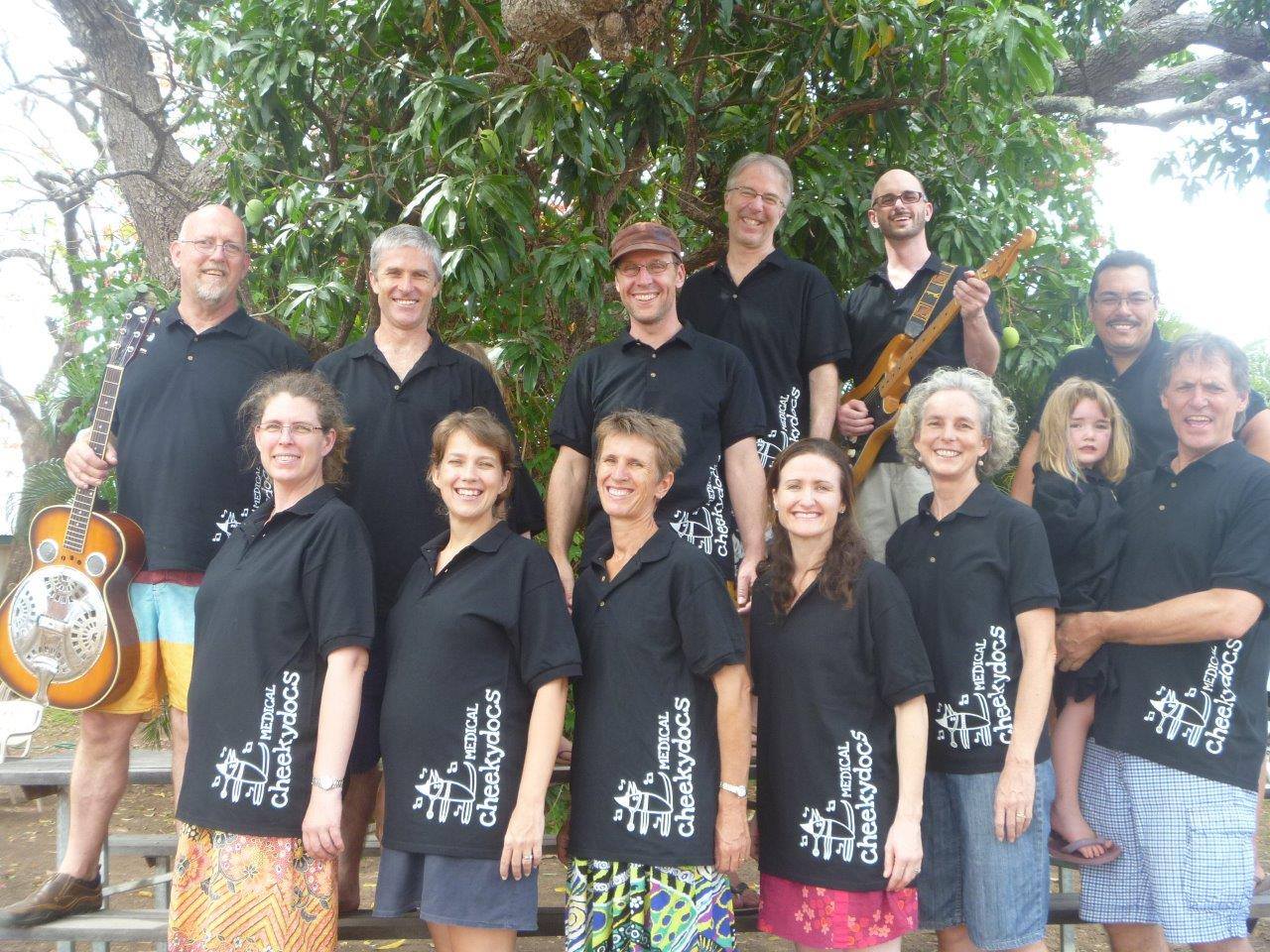
Cheeky Docs

I am a general practitioner, are you? When a patient says they need or want to see a general practitioner I put my hand up. But so do a lot of other people. Some of those people are better general practitioners than me and some are not so good, but what if the people who are putting their hand up are not general practitioners? Are PGPPP doctors general practitioners? I think not. Do patients know when they are seeing a PGPPP doctor? Almost always. Are GP registrars general practitioners? Not yet. Do patient’s know when they are seeing a GP registrar? Sometimes. What about the other doctors working in general practice?

The situation in general practice is now much like that in hospital. There are many types of doctors at varying levels of experience and qualifications working in general practice. The following types come to mind in order of qualification:

  • International medical graduates that have not passed the clinical AMC (Intern level exam) and working on the basis of exemption from Medicare restrictions
  • Australian graduates doing prevocational experience in general practice who are interns (PGPPP – will cease from Jan 2015)
  • International medical graduates who have the full AMC and working on the basis of exemption from Medicare restrictions
  • Australian graduates doing prevocational experience in general practice who have full registration (PGPPP – will cease from Jan 2015)
  • International medical graduates with full AHPRA registration working on the basis of exemption from Medicare restrictions
  • Doctors training to be a specialist general practitioner or a specialist rural generalist
  • Doctors who have VR based on experience in general practice including grandfathered Australian College of Rural and Remote Medicine Fellows (FACRRM)
  • Doctors who have completed their Fellowship assessment by the RACGP or their Fellowship assessment by ACRRM

The only clearly discernible group of doctors, from the public’s perspective, who have completed and passed an objective assessment by their peers (and so demonstrating that they meet a standard of care necessary to provide a quality general practice service) is doctors with the Fellowship of the Royal Australian College of General Practitioners (FRACGP). There is another small group who have completed formal assessment, the graduates of  ACRRM, but these are not distinguishable from those given the qualification based on experience.

I believe the public has the right to know if they are seeing a specialist general practitioner or rural generalist who has completed formal assessment. I understand that there are many reasons why this is not transparent to the general public, but this needs to change. I suggest that we reserve the name ‘general practitioner’ for those doctors working in primary care who have their FRACGP and ‘rural generalist’ for those who have an assessment based FACRRM (FARGPs could use rural general practitioner?). The reserved name may be “specialist general practitioner” and “specialist rural generalist” if that suits but it needs to be meaningful to the public. Other doctors need to be presented in a way that the public can discern the role and qualifications attained. We can set a deadline for this in 5 or 10 years to give people a chance to be formally assessed, but after that, doctors who have not been formally assessed should not use the reserved name. After all, you cannot call yourself a dermatologist because you work in a dermatology unit; in fact you might well be taken to court.

This may all appear to be in my own self interest; I have the FRACGP and I want to see change. But how on earth do we argue for the value of training in general practice and rural generalism unless the outcome and benefit is available and visible to the people of Australia. Statements like “I will never see a doctor from overseas ever again” or “I just saw a rubbish GP” are increasingly common where I work and unpleasant to respond to. To be fair to all doctors I need to explain to this patient that there is a huge variety of doctors working in general practice and that a blanket statement like this is not appropriate. When the patient asks me how to tell if the doctor is OK, I say, “The only doctor you can be sure of based on their qualification is one with the FRACGP”. Do you have a better idea?


Change Pace Change Price

liftum foot

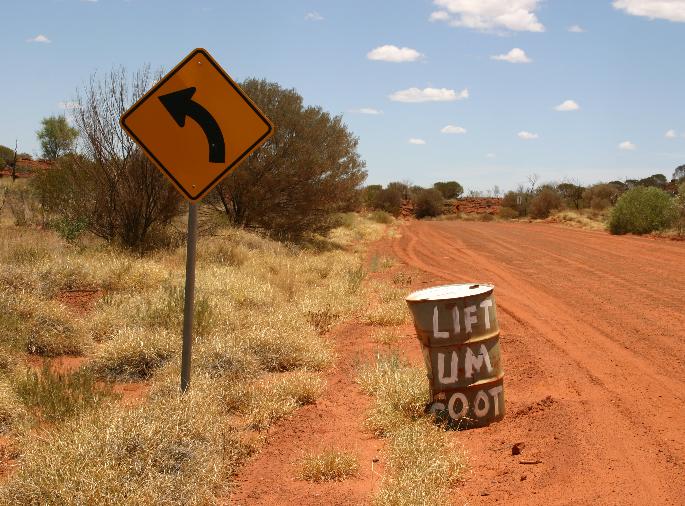
Lift um foot to change direction?

The Australian health care environment suffers from change fatigue and we are about to see the most massive dose yet experienced in primary care in Australia. I love change, opportunity and innovation. But I have learned that change has to be at a pace that is manageable and where the motivation is understood and embraced. The real problem on the ground is that change occurs at lots of levels – within the organisation, locally and at State and Commonwealth level. If you want to sink, guarantee failure, it is best to ensure that change takes place at all levels at once – oh and add multiple dimensions to really twist the knife.

This is my situation – from where I read the Federal Budget. I work in a GP Super Clinic, a non-profit, that is owned jointly by two universities and supplies 24/7 services to a rapidly growing local community with huge industrial development 30 Kms south of Darwin.  The service is evolving into a training and primary centre provider throughout the Top End of the NT. We have a few specialist general practitioners, 5 registrars, 9 medical students coming and going, our PGPPP doctors are no more, and our solid group of IMGs are now under the pump. We have contracts with the somewhat fluid NT Department of Health, who after the Federal budget changes will no doubt be reviewing our arrangements. We now have a relationship with a Hospital Network faced with delivering on budget (never happened before) and our Medicare Local. Both are just finding their feet, the NT Medicare Local recently emerging like a phoenix from a merge of Divisions which itself only lasted a couple of years. NT Medicare local is already a formidable alliance of interests that is aiming to support general practice better and working hard on closing the gap. They are working closely with NTGPE – our soon to be dissolved local training provider which has been a pillar of stability lasting over 10 years! NT Medicare Local is now being dissolved to form a new PHN whatever that means. OMG – does anyone in Canberra know what it is like out here?

I cannot imagine the cost in capital, social and human terms of this change. Add to that a $7 copayment which will cause problems with our local community, many of whom will not pay – no way. Is anybody happy? What is this for?

I know that this sort of upheaval is happening around the country in one form or another.  WentWest Medicare Local in Western Sydney has been a trail blazer in provision of integrated Medical Local services and GP Training – the result of considerable planning and negotiation. But when there is only political impulse and convulsion, how can we plan? Should we say enough is enough? Should we plea to the tax payers of Australia that these changes amount to massive waste?

The price of change at this pace is staggering. What should we do?